
Microplastics have infiltrated various ecosystems, from remote mountain tops to deep ocean trenches, posing a significant threat to wildlife and humans alike. One of the primary sources of these microplastics is textiles, particularly synthetic fabrics that shed microfibres during production, wear, and washing processes. These microfibres, resembling tiny threads, are released in staggering numbers during each laundry cycle, with factors like fabric type, detergents, and wash cycle duration influencing their release.
Studies on water pollution and coastal ecology highlight the detrimental impact of microfibres entering wastewater streams post-laundry. While advanced treatment plants can eliminate a substantial portion of these microfibres, the sheer volume produced by a single wash load ensures that a significant amount still persists in treated water. Furthermore, the journey of these microfibres doesn’t end there, as they often find their way into sewage sludge and eventually into soil and water bodies, perpetuating the cycle of contamination.

The implications of microplastic contamination go beyond environmental concerns, extending to the health of aquatic organisms and humans. Microplastics can carry chemical additives and contaminants that have adverse effects on biochemistry, physiology, and even the endocrine systems of animals and humans. The presence of toxic substances in textile microfibres underscores the urgency of addressing this issue through sustainable laundering practices and innovative solutions.

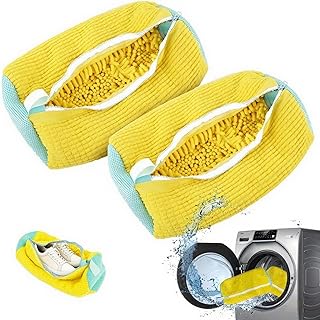
Efforts to mitigate microfibre shedding in the laundry process involve both individual actions and technological advancements. Choosing fabrics that shed fewer microfibres, washing full loads less frequently, using cold water, reducing detergent usage, and opting for front-loading washing machines are practical steps to minimize microfibre release. Additionally, products like Guppyfriend laundry bags and Cora Ball devices offer effective ways to capture microfibres before they enter wastewater streams, thereby curbing environmental contamination.

External filters retrofitted onto washing machines have emerged as a promising solution, capable of removing a substantial percentage of microfibres from rinse water. The implementation of regulations mandating the inclusion of microfibre filters in new washing machines is gaining traction globally, with countries like France and Australia leading the way. While concerns over consumer costs persist, the long-term benefits of reducing microplastic pollution through filter integration outweigh the initial investment.

Expert opinions stress the importance of transitioning towards re-engineered textiles that shed fewer microfibres as the ultimate solution to microplastic pollution. However, until such innovations become mainstream, the widespread adoption of microfibre filters in washing machines remains a pragmatic and cost-effective strategy to address the pressing issue of textile-related microplastic contamination.

Judith Weis, a distinguished expert in Biological Sciences, advocates for the urgent implementation of microfibre filters in washing machines as a viable means to combat the pervasive problem of microplastic pollution. While the road to sustainable textile production may be long, integrating filtration technologies in laundry appliances represents a crucial step towards a cleaner and healthier environment for all.
📰 Related Articles
- Combatting Microplastic Pollution: Solutions for Sustainable Laundry Practices
- Young Anchors’ Vital Role in Independence Day Celebrations
- World Bank’s Role in Enhancing Remote Learning Strategies Globally
- Vitra Event Explores Geometric Design’s Role in Fostering Togetherness
- Unveiling the Vital Role of Paraplanners in Financial Advisory