In the evolving landscape of luxury fashion, designers are redefining brand identities to foster universal recognition and customer loyalty. The shift away from overt logos towards subtle visual signatures reflects a consumer preference for understated elegance over loud branding strategies.
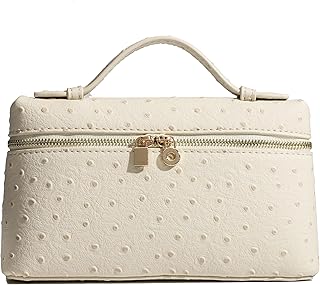
Establishing a trademark aesthetic that is both distinctive and authentic poses a challenge for luxury brands. Marty Neumeier, a branding expert, emphasizes the value of a unique visual language in the highly aesthetic-driven fashion industry. Striking the right balance between freshness and tradition is crucial, as noted by industry insiders like Wizz Selvey, a seasoned fashion consultant.

Instead of relying on overt branding, emerging and established fashion houses are adopting symbols and motifs to cultivate brand loyalty. Brands like Toteme, Diesel, Ganni, and others are incorporating subtle identifiers into their designs, creating a sense of exclusivity and recognition among consumers.

For Diesel, the oval D logo has become a central element under creative director Glenn Martens, embodying the brand’s identity and resonating with its audience. Similarly, smaller labels like Ganni, Marine Serre, and Alyx have successfully established visual identities through unique motifs that transcend traditional logo-centric branding.
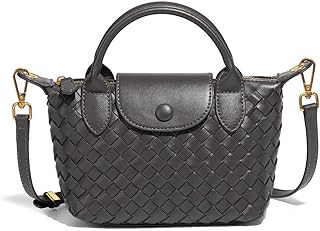
Moreover, the use of symbols as identifiers has gained traction within the fashion industry, with brands like Chopova Lowena and Marc Jacobs leveraging quirky characters as mascots rather than logos. This strategy appeals to niche communities and enhances brand exclusivity, fostering a sense of belonging among consumers.

Color association has also emerged as a powerful branding tool, with luxury brands like Tiffany & Co, Christian Louboutin, and Hermès leveraging signature colors to enhance brand recognition. Notably, designers like Daniel Lee at Bottega Veneta and Maximillian Davis at Ferragamo are strategically incorporating distinctive colors into their collections to establish brand identity.

Industry experts predict a shift towards subtle and elegant branding strategies that emphasize cultural astuteness and exclusivity. Brands are navigating the delicate balance between being distinctive yet understated, reflecting the evolving preferences of consumers in a post-logomania era.
Developing a lasting brand identity requires time and careful curation of visual elements that resonate with consumers. While some brands opt for trademarking symbols and colors, others, like Goodboy and Hugo, prioritize reinvention by changing logos seasonally, fostering excitement and making counterfeiting more challenging.
As the fashion industry continues to evolve, the interplay between brand identifiers, symbols, and colors will shape the landscape of luxury fashion, influencing consumer perceptions and fostering brand loyalty in an increasingly competitive market.
📰 Related Articles
- Decoding the Modern Luxury Consumer: Key Strategies for Brands
- eBay Report Reveals Fall 2025 Luxury Fashion Trends
- Why Luxury Fashion Appeals to Gen Z Investors: Investment Trends and Caution
- Unique Fashion Show Paris 2025: Innovation, Sustainability, Luxury Unveiled
- UAE Luxury Market Transformed: Legal Trends Reshape Brand Strategies